Itchy skin is a common problem that many people face. This sensation can stem from various causes, including dry skin, allergies, or skin conditions. Individuals often turn to body lotion as a potential remedy. The question remains: can body lotion help with itchy skin?
Body lotions typically contain moisturizing agents that can soothe and hydrate the skin. Ingredients like glycerin, shea butter, and oils provide a barrier to lock in moisture. These components may alleviate discomfort associated with itching. However, not all lotions are created equal. Some may contain fragrances or alcohol, which could further irritate sensitive skin.
In seeking relief, it's essential to consider individual skin types and conditions. What works for one person may not work for another. Consulting a dermatologist can provide personalized advice. Exploring body lotion options with gentle, hypoallergenic formulas can enhance relief. Understanding the nuances of your skin is key to finding effective solutions.
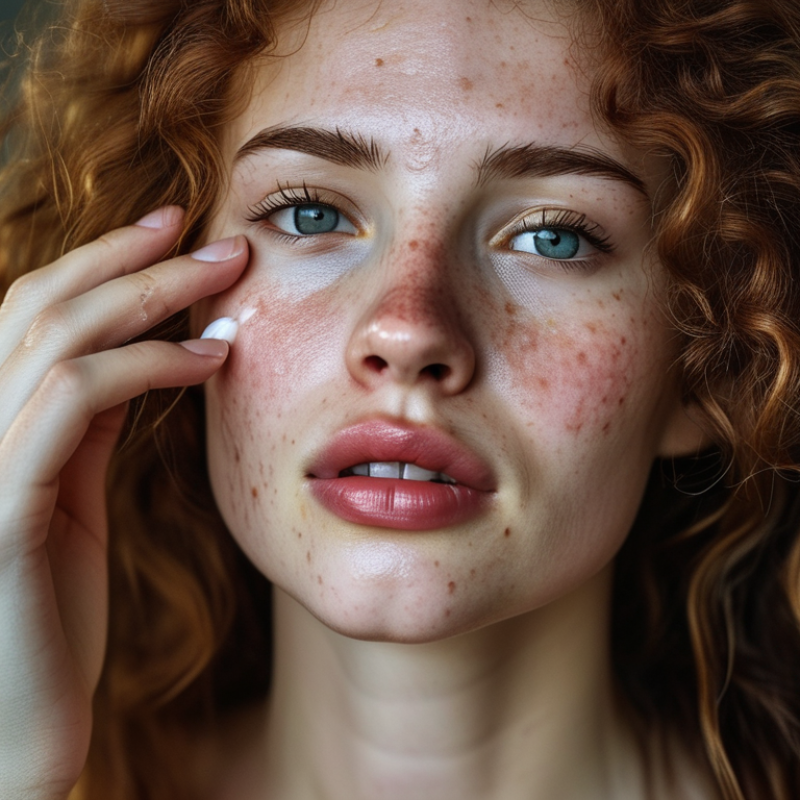
Understanding Itchy Skin: Common Causes and Symptoms
Itchy skin can be a real nuisance. Understanding the common causes is crucial for effective relief. Dry skin is one of the most frequent culprits. It can occur due to weather changes or excessive bathing. Allergies to soaps or fabrics can also trigger itchiness. It's important to pay attention to these triggers to find solutions.
Symptoms vary from person to person. Some may experience a mild itch, while others suffer from severe discomfort. Redness, bumps, or flaking may accompany the itch. These signs show underlying issues, like eczema or dermatitis. Observing these symptoms helps in identifying the root cause of itchiness.
Many people reach for body lotion for relief. While this can provide temporary comfort, it’s not always a permanent fix. Lotion hydrates the skin, but it might not target the underlying problem. It’s essential to evaluate skin health regularly. Regular moisturizing can help, but don’t ignore consultation with a dermatologist. Addressing the cause is the key to lasting relief.
The Role of Moisturizers in Skin Health: An Overview
Moisturizers play a crucial role in maintaining skin health. According to the American Academy of Dermatology, about 30% of adults experience itchy skin at some point. Dry skin is often a primary cause of this discomfort. Many believe that applying body lotion can alleviate itching. However, the effectiveness can vary based on the ingredients used and individual skin types.
Research indicates that occlusive agents, such as petrolatum and glycerin, are effective in locking moisture into the skin. A report from the Journal of Dermatological Treatment shows that patients who used creams with these ingredients reported a 50% reduction in itchiness. This suggests that the right moisturizer can significantly impact skin hydration and comfort. However, it's essential to recognize that not all moisturizers work for everyone. Skin types vary, and some individuals may experience irritation from certain products.
While applying body lotion may offer relief, it doesn't address underlying issues. For example, skin conditions like eczema or psoriasis require specialized treatments. Regular moisturizer application is a good start, but it should not replace professional skincare advice. Ultimately, understanding your unique skin needs is vital for effective management of itchiness and overall skin health.
How Body Lotions Help Alleviate Itchy Skin
Itchy skin is a common complaint. Many turn to body lotions for relief. These products can provide hydration and soothe irritation. Most lotions contain ingredients like glycerin and ceramides. These components help retain moisture in the skin. According to a study by the American Academy of Dermatology, moisturizing daily can decrease itchiness significantly.
Body lotions also support the skin's barrier function. When the skin barrier is compromised, it can lead to dryness and irritation. A report by the Journal of Clinical and Aesthetic Dermatology emphasizes that effective moisturizers can restore this barrier. Individuals with conditions like eczema often experience reduced itchiness when using suitable lotions consistently.
While body lotion is beneficial, it is not a one-size-fits-all solution. Some may find certain fragrances or additives irritating. Testing a small patch of skin before widespread application is recommended. Not every formula suits every skin type. Alternatively, some may require additional treatments for severe itch, and this is where seeking professional advice can be essential.
Choosing the Right Formula: Key Ingredients to Look For
When dealing with itchy skin, the right body lotion can make a significant difference. Choosing a formula with the right ingredients is critical. Dermatologists often recommend looking for lotions containing ceramides, hyaluronic acid, and colloidal oatmeal. According to a report from the American Academy of Dermatology, these ingredients help restore the skin barrier and retain moisture effectively.
Ceramides play a crucial role in protecting the skin's outer layer. A study published in the Journal of Investigative Dermatology found that skin with adequate ceramide levels showed improved hydration. Hyaluronic acid, known for its ability to hold 1,000 times its weight in water, provides an instant boost of moisture. Meanwhile, colloidal oatmeal has been proven to soothe and calm irritated skin.
However, not all lotions are created equal. Some formulations contain alcohol or fragrances, which may exacerbate irritation. It’s essential to read ingredient labels carefully. In a survey by the National Eczema Association, approximately 70% of participants reported sensitivity to common additives in skincare products. This highlights the need for caution when selecting body lotions, as what works for one person might not work for another. Ultimately, personal experience and careful ingredient selection are key in finding relief from itchy skin.
Best Practices for Applying Body Lotion to Relieve Itchiness
Applying body lotion effectively can help alleviate itchy skin. Experts suggest that moisture plays a critical role in skin health. The American Academy of Dermatology states that dry skin is a common cause of itchiness. Using a quality body lotion can significantly improve skin hydration and reduce irritation.
To apply body lotion effectively, start right after showering. Your skin should be slightly damp. This helps lock in moisture. A study published in the Journal of the American Medical Association emphasizes that applying lotion within three minutes after bathing can increase skin hydration by 35%. Massage the lotion gently into your skin. Focus on areas prone to dryness, like elbows and knees.
Choose a fragrance-free formula, as scented lotions can irritate sensitive skin. Apply generously, and don’t rush the process. Take your time to ensure even coverage. For best results, use lotion twice daily. If itchiness persists, consult a dermatologist. They can determine if a medical condition underlies your discomfort. Regular moisturizing routines can bring visible improvement, but results may take time.
Can Body Lotion Relieve Itchy Skin Effectively? - Best Practices for Applying Body Lotion to Relieve Itchiness
| Product Type |
Main Ingredients |
Skin Type |
Best Time to Apply |
Effectiveness Rating (1-10) |
| Cream |
Shea Butter, Almond Oil |
Dry Skin |
After Shower |
9 |
| Lotion |
Coconut Oil, Aloe Vera |
Normal Skin |
Daily Use |
8 |
| Body Oil |
Jojoba Oil, Vitamin E |
Sensitive Skin |
Before Bed |
10 |
| Butter |
Cocoa Butter, Olive Oil |
Very Dry Skin |
After Bath |
9 |
| Gel |
Aloe Vera, Cucumber |
Oily Skin |
Anytime |
7 |
FAQS
: Dry skin is a frequent cause. Weather changes and excessive bathing can contribute to this issue.
Symptoms vary greatly. Some may experience mild itch, while others endure severe discomfort, including redness or flaking.
Moisturizers hydrate the skin, providing temporary relief. However, they might not address the underlying issues causing the itch.
No, effectiveness varies by individual. Some may find irritation due to certain ingredients, highlighting the need for personal evaluation.
While lotion can help, it doesn’t solve root causes like eczema or dermatitis. Consultation with a dermatologist is important.
Regular moisturizing is beneficial, but individual needs may differ. It’s wise to assess personal skin health continuously.
Yes, occlusive agents like petrolatum and glycerin can enhance moisture retention. Check ingredient labels for best results.
If itchiness persists or worsens, it’s crucial to consult a dermatologist. Early intervention can lead to better outcomes.
Weather changes can exacerbate dry skin, leading to itch. Awareness of triggers is vital for managing skin discomfort.
Yes, about 30% of adults report experiencing itchy skin at some point in their lives, often linked to dryness.
Conclusion
The article titled "Can Body Lotion Relieve Itchy Skin Effectively?" explores the common causes and symptoms of itchy skin, emphasizing that various factors such as dry skin, allergies, and irritants can contribute to this condition. It highlights the crucial role of moisturizers, particularly body lotions, in maintaining skin health by providing hydration and creating a barrier against irritants.
Furthermore, the piece investigates how body lotion can help with itchy skin by soothing irritation and restoring moisture balance. It advises readers on selecting the right lotion, pointing out key ingredients such as ceramides and hyaluronic acid that are beneficial for alleviating itchiness. Lastly, the article provides best practices for applying body lotion effectively to maximize its soothing properties, ensuring that individuals can find relief from discomfort.

 Bahre Beauty