When considering body lotion vs body cream, consumers often overlook crucial differences. A report by Market Research Future highlights that the global body care market is set to grow significantly, reaching an estimated $20 billion by 2025. The choice between body lotion and body cream greatly impacts skin hydration and texture.
Dr. Emily Foster, a renowned dermatologist, states, “Understanding your skin’s needs is essential in choosing between body lotion and body cream.” Lotions are typically lighter, making them suitable for daily use. In contrast, creams are thicker and provide deep moisture, ideal for dry or sensitive skin.
While both products aim to hydrate, their formulations differ significantly. For instance, lotions contain more water, which makes them easily absorbable. Creams contain a higher oil content, creating a barrier to trap moisture. Therefore, consumers must reflect on their skin type and environment to choose wisely, as the wrong product can lead to dryness or irritation.
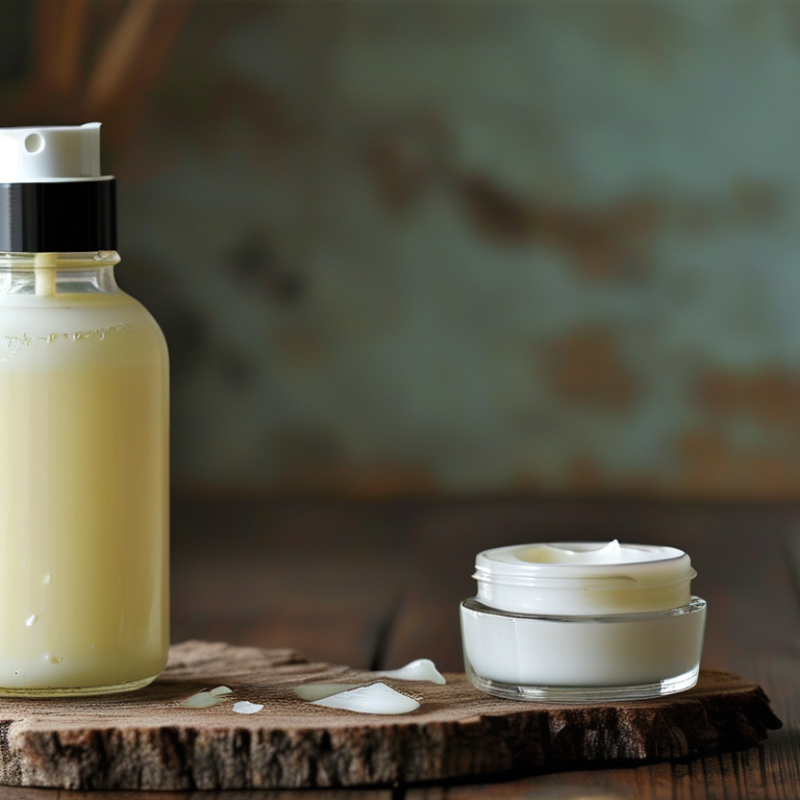
Understanding Body Lotions and Body Creams: Key Differences
When choosing between body lotions and body creams, understanding their differences is essential.
Body lotions are typically lighter in texture. They contain more water and are great for everyday hydration. Ideal for normal to slightly dry skin, lotions absorb quickly and leave a light finish. They are perfect for warmer climates or after a shower.
Body creams, on the other hand, are thicker and richer. They have a higher oil content, making them suitable for dry or sensitive skin. Creams provide a protective barrier, ideal for use in colder weather. They take longer to absorb, but the intense hydration lasts longer. If your skin feels tight and dry, a cream is a better choice.
Tips: Test both types on a small area of skin. This can help you gauge which texture you prefer. Be mindful of your skin's needs throughout the seasons. Reassess regularly, as your preferences may change. Don't hesitate to combine both products. Use lotion for daily upkeep and cream for extra moisture when needed.
Ingredients to Look for in Body Lotions vs. Body Creams
When choosing between body lotions and body creams, one should focus on the ingredients. Body lotions often contain lighter ingredients like water and glycerin. These are suitable for normal skin and provide hydration without feeling heavy. Ingredients such as aloe vera and chamomile can soothe the skin. Look for these if you need a quick absorption.
On the other hand, body creams are thicker and richer. They generally have oils and butters like shea butter or cocoa butter. These components lock in moisture and are excellent for dry skin. If you are dealing with flaky patches or rough areas, consider creams with natural oils. They provide a barrier against dryness, but they may feel greasy for some.
Take time to read labels carefully. Natural ingredients are generally more beneficial. Some products contain synthetic additives that may irritate sensitive skin. Finding the right balance can be challenging but is essential for overall skin health. Keep experimenting with different formulations until you find what truly works for you. It's a process worth undertaking.
Skin Types: Which Moisturizer Works Best for You?
When choosing between body lotion and body cream, skin type plays a crucial role. For those with oily skin, lightweight body lotions are often a better fit. They typically contain higher water content, allowing for hydration without feeling greasy. According to a study published in the Journal of Cosmetic Dermatology, moisturizing with lighter products can help maintain optimal skin hydration levels for oily skin types.
On the other hand, individuals with dry or sensitive skin may benefit from the thicker texture of body creams. These creams often have a rich blend of oils and emollients, which provides a protective barrier against moisture loss. Research has shown that ingredients like shea butter and glycerin can improve skin barrier function, providing lasting hydration. A survey conducted by the Skin Health Alliance found that 75% of participants with dry skin reported improved skin texture after switching to body cream.
It's important to note that personal preferences can also impact the choice. Some may prefer the light feel of lotion, even if their skin is dry. Others might find richer formulas too heavy, despite needing the moisture. Assessing your unique skin needs alongside your preferences can lead to more informed choices in your skincare routine.
Application Techniques: How to Use Body Lotion and Cream Effectively
When applying body lotion or cream, the technique matters significantly. Start by cleansing your skin. This prepares your skin to absorb the product better. For lotion, use a generous amount, about a quarter-sized dollop. Warm it between your palms and gently spread it over your skin, focusing on areas prone to dryness. Massage in circular motions. This helps improve blood circulation and enhances absorption.
Body cream, being thicker, requires a different approach. Use a smaller amount, as a little goes a long way. Focus on particularly dry areas, like elbows and knees. Apply it when your skin is still damp. This locks in moisture effectively. Take your time, ensuring each area receives attention. Sometimes, you might feel like you're applying too much. Trust your instincts; your skin will let you know.
Reflect on your routine. Are you consistent? Do you notice the results you want? Regular application is essential. If you see flaky skin, re-evaluate your choice. It could be time for a richer cream or a more hydrating lotion. Adapting your application technique can lead to better hydration and overall skin health.
Body Lotion vs Body Cream: Application Techniques
Choosing the Right Product Based on Climate and Skin Needs
Selecting the right hydration products for your skin involves understanding your unique needs and environmental factors. Climate plays a significant role in determining whether a body lotion or body cream is more suitable. For instance, a report from the Journal of Cosmetic Dermatology indicates that drier climates can lead to increased trans-epidermal water loss. In such cases, creams with higher oil content may be necessary for optimal moisture retention.
On the other hand, those residing in humid regions might prefer lighter body lotions. A study by the American Academy of Dermatology found that lightweight formulations offer adequate hydration without feeling heavy or greasy. It's noteworthy that skin types also influence your choice. Oily skin can benefit from lotion, while dry skin may require the rich texture of a cream.
Moreover, many users overlook their changing needs. Seasonal shifts can affect skin conditions. Switching products based on weather can enhance skin health. Maintaining hydration often requires trial and error to find the best fit for your lifestyle and skin’s condition. Each individual’s skin responds differently, and sometimes products can cause reactions that warrant further investigation. Understanding these aspects can transform your skincare routine into a tailored experience.
Body Lotion vs Body Cream Which One is Right for You?
| Product Type |
Best For |
Skin Type |
Climate |
Key Ingredients |
| Body Lotion |
Daily Hydration |
Normal to Oily Skin |
Warm, Humid |
Aloe Vera, Lightweight Oils |
| Body Cream |
Intense Moisturization |
Dry to Very Dry Skin |
Cold, Dry |
Shea Butter, Cocoa Butter |
| Body Lotion |
Quick Absorption |
Combination Skin |
All Climates |
Glycerin, Hyaluronic Acid |
| Body Cream |
Long-Lasting Nourishment |
Sensitive Skin |
Dry or Windy |
Oils, Fatty Acids |
Conclusion
When exploring the topic of body lotion vs body cream, it’s essential to understand their key differences. Body lotions tend to be lighter and more fluid, making them ideal for daily use, while body creams are thicker and provide deeper hydration, suitable for individuals with very dry skin. The ingredients in these products vary, with lotions often featuring higher water content and creams containing more oils and emollients to lock in moisture.
Choosing the right moisturizer also depends on your skin type and the climate you live in. For instance, body lotions are perfect for hot, humid conditions, whereas body creams are better suited for colder, drier environments. Additionally, applying these products properly can enhance their effectiveness, ensuring that your skin receives the nourishment it needs. Ultimately, understanding the distinctions and appropriate application techniques of body lotion vs body cream will help you make an informed decision tailored to your skin’s needs.

 Bahre Beauty