As the beauty and skincare industry grows, understanding the differences between body lotion and moisturizer becomes crucial. According to a report by Grand View Research, the global skincare market is projected to reach $183.03 billion by 2025. This highlights the urgency in making informed decisions regarding products essential for skin health.
Industry expert Dr. Sarah Lee states, "Choosing between body lotion and moisturizer hinges on individual skin needs and desired outcomes." Her insights emphasize the importance of personalization in skincare. While body lotions often provide hydration for surface-level dryness, moisturizers tend to penetrate deeper, tackling more severe skin issues.
Many consumers still struggle with the "body lotion vs moisturizer" dilemma. For example, a light lotion may suffice for someone with oily skin in summer. In contrast, a heavier moisturizer might be necessary in the winter for dry skin types. Identifying your unique skin type and condition is vital to making the right choice in this burgeoning market.
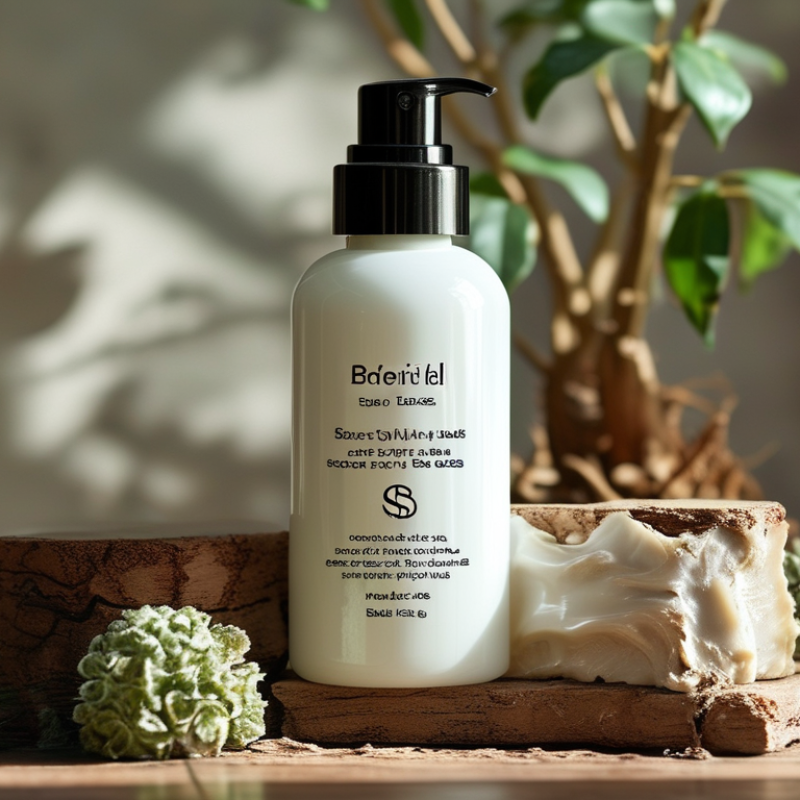
When comparing body lotion and moisturizer, understanding their fundamental differences is crucial. Body lotion is typically lighter and designed to hydrate the skin’s surface. It often contains water as a primary ingredient, making it ideal for daily use. According to a study by the American Academy of Dermatology, regular application of body lotion can enhance skin hydration by 20% over time.
On the other hand, moisturizers often contain heavier substances like oils and butters. These ingredients penetrate deeper into the skin, providing long-lasting hydration. A report from the British Journal of Dermatology highlights that moisturizers can help reduce skin dryness by up to 50% in individuals with certain skin conditions. However, some may find heavier creams greasy or uncomfortable.
Choosing between the two depends on individual skin type and daily needs. If the skin feels tight or flaky, a richer moisturizer may be necessary. For those with normal skin, a light body lotion suffices. Reflecting on one’s own skin responses can guide the best choice. Not all products work universally, and it may take time to find the right fit.
When deciding between body lotion and moisturizer, understanding their key ingredients is crucial. Body lotions often contain water as a primary ingredient, along with emollients and humectants. These ingredients help to hydrate the skin and create a barrier. A report by Statista in 2023 indicated that 45% of consumers prefer body lotions for daily hydration. The lightweight texture of lotions makes them ideal for daytime use, allowing the skin to breathe.
On the other hand, moisturizers tend to have a thicker consistency. They often include occlusive agents like petroleum jelly or shea butter. These ingredients trap moisture in the skin, making them suitable for dry climates. According to research published by the Journal of Dermatological Treatment, moisturizers with occlusives can increase skin hydration by up to 80% after one application. This is particularly beneficial for those with chronic dryness or skin conditions. However, the heavier feel may not appeal to everyone.
Identifying what your skin needs is often more complex than choosing a product type. Many people overlook their specific skin concerns and end up with insufficient care. The right balance between texture and hydration can mean experimenting with both types. Sometimes, a combination of both body lotion and an enriched moisturizer may be necessary for optimal skin health.
Choosing the right skin product requires understanding your skin type and needs. According to the American Academy of Dermatology, dry skin affects around 40% of adults in the U.S. For those with dry or sensitive skin, body lotions can be incredibly beneficial. They often contain richer ingredients like ceramides and glycerin, which penetrate deeply, providing lasting hydration.
For oily or acne-prone skin, a lightweight moisturizer is advisable. A study in the Journal of Clinical and Aesthetic Dermatology found that non-comedogenic products can help prevent breakouts. These moisturizers hydrate without clogging pores, which is crucial for healthy skin. Individuals with combination skin may find that alternating between a body lotion and a lighter moisturizer works best, depending on the area of the body being treated.
Personal experience reinforces these insights. Many individuals report experimenting with various products before finding the perfect fit. It’s essential to pay attention to your skin’s reactions. If a product causes irritation, it may not be suitable. Similarly, skin needs can change with the seasons. Preparing for climate variations is vital for maintaining healthy skin. Each individual's journey to find the best solution is unique and might require some trial and error.
This chart illustrates the effectiveness of body lotion and moisturizer based on different skin types: Dry, Oily, Combination, and Sensitive. The ratings are on a scale of 1 to 10, with 10 being the most effective.
When applying body lotion or moisturizer, techniques can significantly affect results. First, ensure your skin is clean and slightly damp. This helps lock in moisture. Use gentle, circular motions to massage the product into your skin. This boosts blood circulation. It may feel good, but it also enhances absorption.
Consider the amount of product you use. Applying a dime-sized amount over each limb is often sufficient. Too much can leave a greasy residue. Pay attention to dry patches, especially on elbows and knees. These areas might need more attention.
Timing is also important. Applying lotion or moisturizer immediately after a shower increases effectiveness. The heat opens pores, allowing for better penetration. However, take care not to rush the process. Applying too quickly can lead to uneven coverage. Reflecting on your personal routine may reveal areas for improvement. Adjusting the way you apply can lead to healthier skin in the long run.
When considering hydration, the timing of application is essential. Body lotions are often ideal after a shower. The steam opens pores, allowing for deeper penetration of moisturizing ingredients. According to dermatologists, applying lotion within three minutes of drying off can lock in moisture and enhance skin barrier function.
On the other hand, facial moisturizers serve a different purpose. They are designed for the face, where the skin is thinner and more sensitive. Evening application is critical here. Nighttime is when the skin undergoes repair and regeneration. A study by the American Academy of Dermatology highlighted that using a nighttime moisturizer can improve skin hydration by up to 30% overnight.
Environmental conditions matter too. For dry climates, heavier formulations may be necessary. In humid areas, lighter lotions can suffice. However, not everyone finds the perfect balance. Some may overmoisturize, risking irritation or clogged pores. Reflecting on personal experiences, understanding your skin's specific needs is fundamental to optimal hydration.
| Product Type | Best For | Texture | Application Area | Ideal Time to Use |
|---|---|---|---|---|
| Body Lotion | Dry skin on body | Lightweight, absorbs quickly | Arms, legs, torso | After shower or bath |
| Moisturizer | Face or sensitive areas | Creamy, thicker consistency | Face, neck | Morning and night |
: Body lotion is lighter and hydrates the skin's surface, while moisturizer contains heavier substances for deeper hydration.
Body lotion is ideal for daily use, especially for normal skin, providing hydration without feeling heavy.
Moisturizers often include oils, butters, and occlusive agents that trap moisture deeper in the skin.
Consider your skin type. If it's tight or flaky, a richer moisturizer may be needed; otherwise, a lotion may suffice.
Apply on clean, slightly damp skin using gentle, circular motions. This helps improve absorption and blood circulation.
A dime-sized amount for each limb is sufficient. Using too much can leave a greasy feel on the skin.
Applying right after a shower works best, as warmth opens pores for better absorption.
Yes, sometimes a combination of both can provide optimal hydration and meet specific skin needs.
Reflect on your routine. Adjusting application methods can lead to better hydration results and healthier skin over time.
If a product feels greasy or heavy, it may not be the right fit. Experimenting with different textures might be necessary.
In the discussion of body lotion vs moisturizer, it's essential to understand their fundamental differences. Body lotions are typically lighter and designed for overall body hydration, while moisturizers are often thicker and aimed at providing intensive moisture for specific areas, like the face. Key ingredients play a significant role in these products; for instance, body lotions might contain hydrating ingredients like glycerin, whereas moisturizers may include occlusives that create a barrier to lock in moisture.
Choosing the right product depends on your skin type and needs. Those with oily skin might prefer a lightweight body lotion, while dry skin individuals might benefit more from a richer moisturizer. Application techniques also matter; for best results, products should be applied to damp skin. Finally, the timing of use is crucial – using a body lotion after a shower can enhance hydration, while moisturizers are ideal for use before bed to optimize skin repair overnight. Understanding these aspects can help you make informed choices in the body lotion vs moisturizer debate.

Bahre Beauty