China Top Body Lotion Does It Help Repair Skin Barrier?

Time:2026-11-14 Author:Aria
0%

Dry, tight skin after a shower can make even a soft towel feel rough. In China’s crowded body-care market, “top” lotions often promise deep moisture, smoother skin, or barrier support. But does body lotion help repair the skin barrier? It can support the skin’s recovery by reducing water loss and supplying helpful moisturizing ingredients. It does not rebuild damaged skin overnight, and a lotion is not a treatment for every skin condition.

When comparing products, look beyond price and packaging. Glycerin attracts water, while ingredients such as ceramides and petrolatum can help limit moisture loss. A fragrance-free formula may suit easily irritated skin, though no ingredient works perfectly for everyone. Notice how your skin feels after application: less tightness and fewer rough patches can be useful signs. Keep expectations realistic. A rich lotion may feel comforting in winter but seem sticky in humid weather. That matters.

This guide will consider ingredient labels, texture, and everyday use when discussing popular body lotions available in China. It will also distinguish temporary softness from longer-term barrier support. Apply lotion after bathing, while skin is still slightly damp, and stop using it if irritation develops. Persistent redness, cracking, or itching deserves professional attention rather than another product experiment. Skin can be unpredictable. Even careful comparisons have limits, and personal experience alone cannot prove that a lotion repairs the barrier.
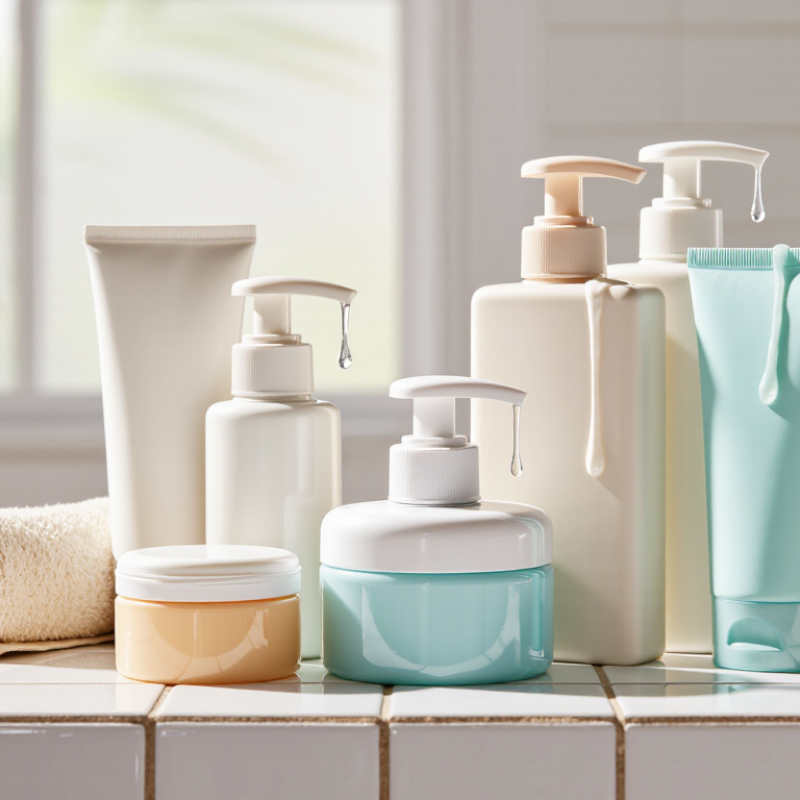
China Top Body Lotion Does It Help Repair Skin Barrier?

What Is a Top Body Lotion in China?

In China, a “top body lotion” is not one fixed national ranking. It is a lotion that suits local weather, skin needs, and daily habits, while clearly stating its ingredients and intended use. Grand View Research estimated the global body lotion market at US$59.4 billion in 2023. That figure is worldwide, not China-specific, but it reflects strong demand for routine body care. A large market does not prove that every “barrier repair” claim works.

For dry, tight skin, look for humectants such as glycerin, which attract water, plus emollients or occlusives that soften skin and reduce moisture loss. Ceramides may also support the skin’s protective lipid layer. Texture matters: a lotion that feels sticky under summer clothing may stay unused, even if its ingredient list looks impressive. Small detail, big difference. In colder, drier northern regions, a richer cream may feel more practical; humid southern weather can favor a lighter lotion. Apply after bathing, while skin is slightly damp, and check how it feels over several days. Patch-test first if your skin is reactive. A lotion can support everyday barrier care, but persistent cracking, redness, or itching deserves professional advice. Ingredient claims alone are not proof of clinical repair.

How Does the Skin Barrier Work?

The skin barrier is the outermost part of the epidermis, largely formed by the stratum corneum. Think of it as bricks held together by a flexible mortar. The bricks are flattened skin cells; the mortar contains lipids, including ceramides, cholesterol, and fatty acids. Together, they slow water loss and help keep irritants out. A 2006 study in the International Journal of Cosmetic Science measured an average skin-surface pH of 4.7 among 330 healthy volunteers. This mildly acidic surface supports normal barrier processes, though pH varies with body site and personal factors.

When the barrier is disrupted, skin may feel tight, look flaky, or sting after washing. Small details matter: hot showers, harsh cleansers, and repeated rubbing can worsen dryness. Not always obvious. A well-formulated body lotion can reduce water loss by forming a light protective layer; some formulas also supply skin-compatible lipids. It does not rebuild the barrier instantly. The skin needs time, and one ingredient cannot suit everyone. Applying lotion to slightly damp skin may help hold onto moisture, while persistent redness, cracking, or itching deserves assessment by a qualified clinician. A 2023 review in the Journal of Clinical Medicine also describes the barrier as an active system, not merely a sealed coating. That distinction is easy to overlook.

Can Body Lotion Help Repair the Skin Barrier?

The outer skin barrier is formed by skin cells surrounded by lipids. These lipids help limit water loss and keep irritants out.

How lotion may help: Humectants attract water, emollients soften and smooth the skin, and occlusives help reduce water loss. A moisturizer can support the barrier, but the chart shows a simplified, approximate lipid balance—not a measurement of how well any lotion repairs skin. Barrier-lipid proportions vary, and not every lotion contains all three lipid types.

Which Lotion Ingredients Support the Skin Barrier?

For a lotion intended to support the skin barrier, look beyond the word “moisturizing.” The outer skin layer relies on ceramides, cholesterol, and free fatty acids. A widely cited review describes these lipids as approximately 50%, 25%, and 10–15% of its intercellular lipid mixture, respectively (Proksch et al., Experimental Dermatology, 2008). These figures explain why lotions containing barrier lipids may help replenish what dry or irritated skin lacks. They do not guarantee a particular product will work for everyone.

Glycerin is a humectant that attracts water into the outer skin layer. Petrolatum and dimethicone can reduce water loss by forming a protective film. A practical routine is simple: apply lotion to slightly damp skin, then notice whether tightness improves. Keep it unscented if fragrance tends to irritate your skin. Small details matter.

Formulas differ, and ingredient order alone cannot tell you how much of each active ingredient is present. That is a real limitation. The American Academy of Dermatology recommends creams or ointments over lotions for very dry skin, since they are generally more effective at retaining moisture. If a lotion stings, causes a rash, or fails to improve persistent dryness, stop using it and seek advice from a qualified clinician.

China Top Body Lotion Does It Help Repair Skin Barrier? - Which Lotion Ingredients Support the Skin Barrier?

Ingredient or ingredient group How it supports the skin barrier What to look for in a body lotion Useful for Practical notes
Ceramides Help replenish lipids in the outer skin layer, where barrier lipids help limit water loss. Ingredient lists may include ceramide NP, AP, or EOP. Dry, rough, or barrier-stressed skin. Often formulated with other moisturizing ingredients. Regular use is generally more important than choosing a particular ceramide type.
Cholesterol and fatty acids These are components of the skin’s natural lipid barrier and can complement ceramides in a moisturizer. Look for cholesterol and fatty-acid ingredients such as linoleic acid or stearic acid. Dry skin that needs a richer moisturizer. They are commonly used as part of a blend; the overall formula and skin tolerance also matter.
Glycerin A humectant that attracts and holds water in the outer skin layer, helping improve hydration. Glycerin listed among the ingredients. Most skin types, including dry skin. Works well in a moisturizer containing emollient or occlusive ingredients that help reduce water loss.
Petrolatum Forms an occlusive layer that reduces water loss from the skin surface. Petrolatum in a cream or ointment-style formula. Very dry, cracked, or rough areas. Can feel greasy. Apply a thin layer, especially over damp skin, if the texture suits you.
Dimethicone Acts as an emollient and occlusive skin protectant, helping soften skin and reduce moisture loss. Dimethicone in a lotion or cream. Dry or sensitive skin that prefers a smoother, less oily feel than some heavy ointments. Individual formulas vary; patch-test if you have a history of reactions to skin-care products.
Colloidal oatmeal Helps soothe dry, itchy skin and is recognized as a skin-protectant ingredient in some products. Colloidal oatmeal stated in the ingredient list. Dry or itch-prone skin. Stop use if irritation occurs. Seek medical advice for persistent, severe, or worsening symptoms.
Niacinamide Can support the skin barrier and improve hydration when included in a suitable leave-on formula. Niacinamide listed as an ingredient. People looking for a moisturizer that combines hydration with barrier support. Some people experience irritation. Introduce a new product gradually and discontinue it if a reaction develops.
Fragrance and essential oils They do not provide a necessary barrier-repair function. Choose fragrance-free products if fragrance tends to irritate your skin. Sensitive or easily irritated skin. “Unscented” does not always mean fragrance-free; check the ingredient list if you are sensitive.

How to choose: A body lotion can support the skin barrier by improving hydration and reducing water loss, but results depend on the full formula and consistent use. Apply after bathing while skin is slightly damp. For persistent rash, cracking, pain, or severe itching, consult a healthcare professional.

How Can Body Lotion Help Repair a Damaged Barrier?

A damaged skin barrier loses water more easily and may sting, itch, or feel tight. Body lotion can help by adding water-binding ingredients, softening rough flakes, and slowing moisture loss. Glycerin attracts water, while richer occlusive ingredients form a protective film. Ceramides can support the spaces between skin cells, where barrier lipids help limit water loss.

The composition matters. A paper in the Journal of Investigative Dermatology describes stratum-corneum lipids as roughly 50% ceramides, 25% cholesterol, and 10–15% free fatty acids. These figures are approximate, but they explain why a lotion combining barrier-supporting lipids may be more useful than a light, fast-drying formula. The American Academy of Dermatology advises applying moisturizer after bathing, while skin is still slightly damp. Pat dry, then smooth lotion over areas that feel tight. Not roughly.

Choose a fragrance-free formula if your skin reacts easily, and test it on a small area first. Consistent use matters more than one heavy application. Still, lotion cannot fix every cause of irritation, and a product that burns or worsens a rash is not a sign to push through. Stop using it and seek medical advice if symptoms persist or the skin cracks or becomes painful. A lotion may help the barrier recover; it is not an instant repair.

How to Choose and Use Body Lotion for Barrier Care?

Choosing a body lotion for barrier care starts with your skin’s needs, not a “repair” promise. For dry or tight skin, look for glycerin, which helps attract water, and ceramides or petrolatum, which can support moisture retention. Fragrance-free formulas may suit sensitive skin better, though no ingredient works for everyone. A lotion feels lighter; a cream may be more comfortable on rough elbows or shins. Patch-test a new product on a small area first.

Apply lotion after a short, warm shower, while your skin is still slightly damp. Use enough to leave a thin, even layer, then reapply when dryness returns. Gentle cleansing matters too; very hot water and scrubbing can leave skin feeling worse. Improvement is gradual, not instant. If a product stings persistently, stop using it. Redness, cracking, or itching that does not settle deserves advice from a qualified healthcare professional. Skin can be fussy, and a simple routine may take a little adjusting.

Tips: Keep lotion beside your towel as a reminder. Check the ingredient list, and change one product at a time so you can spot irritation.

FAQS

What makes a body lotion suitable for people in China?

It should match local weather, skin needs, and daily habits. A clear ingredient list helps, but it cannot guarantee results.

Should I choose a different lotion for humid and dry weather?

A lighter lotion may feel more comfortable in humid southern weather. In colder, drier regions, a richer cream may feel more practical.

Which ingredients can help dry, tight skin?

Glycerin attracts water. Ceramides, cholesterol, and fatty acids are skin-barrier lipids. Petrolatum or dimethicone can help reduce moisture loss.

When should I apply body lotion?

Apply it after bathing, while your skin is slightly damp. Notice how your skin feels over several days.

Why does my skin barrier matter?

It helps slow water loss and keep irritants out. Think of skin cells as bricks, with lipids acting as flexible mortar.

Can lotion repair the skin barrier instantly?

No. Lotion may support everyday barrier care, but skin needs time. One ingredient or product will not suit everyone.

What should I do if lotion stings or causes a rash?

Stop using it and seek advice from a qualified clinician. Patch-test first if your skin tends to react.

When should persistent dry skin be checked by a clinician?

Seek professional advice for ongoing cracking, redness, or itching. Ingredient claims alone do not prove clinical repair.

Are lotions always enough for very dry skin?

Not necessarily. Creams or ointments may retain moisture more effectively. That detail is easy to miss.

Conclusion

A top body lotion in China is best understood as a moisturizer that suits your skin’s needs, rather than a product defined by a single formula. The skin barrier helps retain moisture and protect against everyday irritants. When it becomes dry or weakened, skin may feel tight, rough, or more sensitive. Ingredients such as ceramides, glycerin, and other gentle moisturizing agents can help replenish moisture and support the barrier’s natural function.

So, does body lotion help repair the skin barrier? It can support recovery by reducing moisture loss and keeping skin hydrated, though results depend on the cause and severity of the problem. Choose a fragrance-free, gentle lotion if your skin is sensitive, and apply it consistently after bathing while skin is slightly damp. Use a small amount first to check for irritation, and avoid products that sting or worsen discomfort. Persistent or severe symptoms may need advice from a healthcare professional.

Aria

Aria

Aria is a dedicated marketing professional with a deep passion for innovative strategies and a keen understanding of our company's product offerings. With a wealth of experience in the industry, Aria excels at crafting engaging content that highlights the unique features and benefits of our......