Choosing a body lotion in China is not a one-bottle decision. A humid Guangzhou summer can leave skin feeling sticky, while a dry Beijing winter may bring tightness after a shower. Air conditioning, heating, frequent handwashing, and personal skin sensitivity can also change what feels comfortable. This guide explores how to choose body lotion for different seasons without treating the calendar as the only rule. Your skin’s response matters more.
Dermatologist Dr. Hadley King’s guidance can be paraphrased this way: “Choose a formula for your skin’s needs, not the season alone.” This is a summary, not a verbatim quotation. In warmer, more humid months, a lighter lotion may feel easier to apply; in colder, drier weather, a richer cream may help reduce moisture loss. Look for ingredients such as glycerin or ceramides, and check the full label if your skin is sensitive. Small details count. A lotion that absorbs well on your arms may still feel heavy on your legs, especially after exercise. Try a small amount first.
Seasonal advice has limits. China’s climates vary widely, and skin does not follow a neat forecast. If a product causes persistent irritation, stop using it and consider asking a qualified dermatologist for guidance. The aim is comfort, not a complicated routine. Choose, observe, adjust.
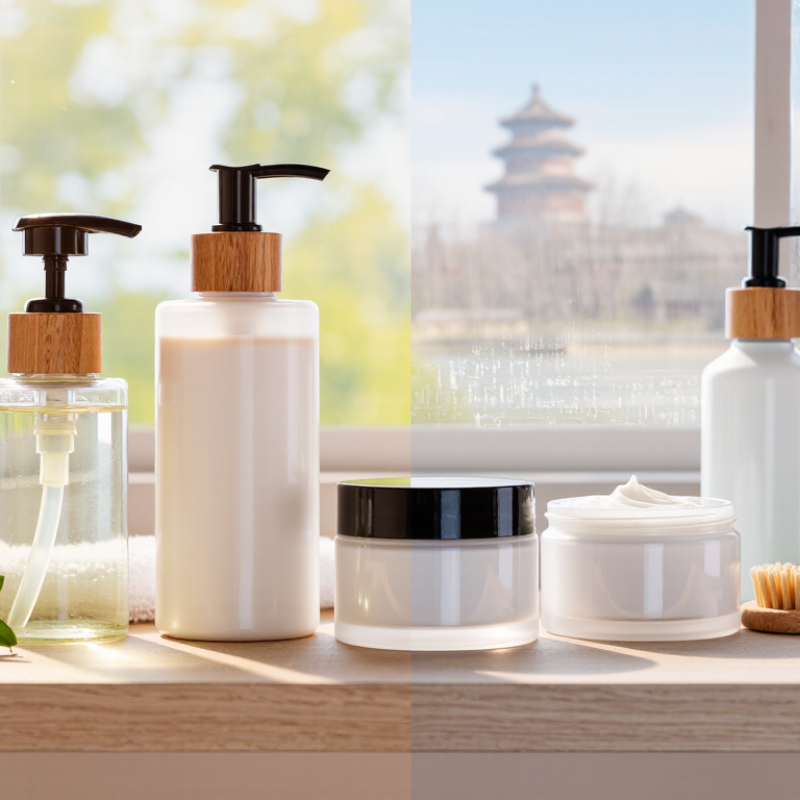
Across China, seasonal shifts can change how much moisture your skin loses. In northern winters, cold winds and indoor heating may leave arms and shins tight or flaky. A richer lotion can help reduce that dry feeling after bathing. Keep the water lukewarm; very hot showers may worsen dryness. Small changes matter.
Humid summers often call for a lighter texture, especially if a thick layer feels sticky. In dry, air-conditioned rooms, however, skin can still feel uncomfortable. Apply lotion to slightly damp skin, then adjust the amount to how your body feels. Less is not always better. Nor is more. Spring and autumn can be unpredictable, so keep a basic lotion nearby and notice whether your skin feels tight by afternoon. I sometimes find the same lotion works differently after a long commute or a week indoors. That is a useful reminder: climate is only part of the picture. Fragrance-free options may suit sensitive skin, and a small patch test can help reveal irritation. Persistent itching, cracking, or a rash deserves advice from a qualified health professional.
| Season and typical conditions in China | Common skin hydration needs | Lotion characteristics to look for | Practical use tips |
|---|---|---|---|
| Spring Variable temperatures; wind and pollen can be concerns |
Skin may feel tight or dry when humidity is low or weather changes quickly. Some people may also experience sensitivity. | A lightweight lotion with humectants such as glycerin. If skin is sensitive, consider a fragrance-free formula with a short ingredient list. | Apply after bathing while skin is slightly damp. Patch-test a new product, especially if your skin is reactive. |
| Summer Often hot and humid in many regions; conditions vary |
Sweat and humidity can make rich products feel uncomfortable, but air conditioning, frequent washing, and sun exposure may still leave skin dry. | A fast-absorbing, non-greasy lotion. Look for moisturizing ingredients such as glycerin; choose a product labelled non-comedogenic if that suits your skin. | Use a thinner layer if the weather is humid. Lotion does not replace sunscreen; use a separate broad-spectrum sunscreen on exposed skin. |
| Autumn Humidity often decreases as temperatures cool |
Dryness and roughness may become more noticeable as indoor and outdoor air gets drier. | A medium-weight lotion combining humectants with emollients, such as fatty alcohols, to help soften and smooth the skin. | Apply regularly after washing. Increase the amount or choose a richer texture if skin remains tight or flaky. |
| Winter Cold, dry air is common in many areas; indoor heating can lower humidity |
The skin barrier may lose moisture more readily, leading to persistent dryness, rough patches, or discomfort. | A richer cream or lotion with humectants and occlusive ingredients such as petrolatum or dimethicone. Fragrance-free options may be preferable for sensitive skin. | Apply generously after bathing and reapply to dry areas as needed. Keep showers warm rather than very hot and avoid prolonged bathing. |
| Choosing by skin type: Lightweight lotions may suit skin that feels oily or sticky in humid weather, while creams are often more comfortable for very dry skin. Climate varies widely across China, so adjust texture to local conditions and how your skin feels. Stop using a product if it causes persistent irritation; seek medical advice for severe or ongoing skin symptoms. | |||
Cold winds and indoor heating can leave shins and arms tight or flaky. A richer lotion may help. Keep showers lukewarm.
A light, fast-absorbing lotion may feel less sticky than a thick cream. Try a small amount first. More is not always better.
Yes. Apply lotion to slightly damp skin within a few minutes of bathing. This can help skin hold onto water.
Glycerin or hyaluronic acid can attract water. Dimethicone or petrolatum can help slow moisture loss. Ingredient lists are only a starting point.
It can. Skin may feel uncomfortable in a dry, air-conditioned room, even during a humid summer. Indoor humidity around 30–50% can be a useful guide.
Sensitive skin may prefer fragrance-free options; try a small patch test first. For oily or easily congested skin, start with a lighter texture and use less.
Sometimes. Spring and autumn can shift quickly, and a lotion may feel different after a commute or time indoors. Check how your skin feels by evening.
Ongoing itching, cracking, or a rash deserves advice from a qualified health professional. Don’t rely on lotion alone.
Choosing the right body lotion in China means understanding how seasonal changes affect your skin. Cold, dry weather can leave skin feeling tight and may call for a richer formula, while warm, humid conditions often feel more comfortable with a lighter lotion. Ingredients also matter: consider formulas that support moisture retention in dry seasons and lightweight hydration when the weather is hot. Read product labels carefully to compare ingredients, texture, and intended use, rather than relying on claims alone.
Your skin type and local climate should guide the final choice. A thicker texture may suit dry skin or winter conditions, while a fluid lotion can be easier to wear in summer or humidity. To learn how to choose body lotion for different seasons, pay attention to how your skin responds and adjust both the formula and how often you apply it throughout the year. Applying lotion after bathing, when skin is slightly damp, can help make moisturizing part of a consistent routine.

 Bahre Beauty