How to Make Body Lotion Absorb Faster in 2026?

Time:2026-10-09 Author:Oliver
0%

Body lotion should leave skin comfortable, not coated in a slow, sticky film. The question is practical: how to make body lotion absorb faster without sacrificing hydration, barrier support, or daily comfort? In 2026, consumers increasingly expect skincare to work quickly and fit busy routines. Grand View Research’s Body Lotion Market Size, Share & Trends Analysis Report, 2024–2030, identifies lightweight textures, multifunctional formulas, and ingredient transparency as important market directions. These trends make fast-drying body care more than a cosmetic preference.

“Fast absorption” is not always literal absorption. It often means quicker spreading, less surface residue, and reduced tackiness after application. The formula matters. Water-rich emulsions, balanced humectants, lightweight emollients, and carefully selected silicones can improve slip and after-feel. However, a thinner lotion may provide less lasting protection for very dry skin. That trade-off deserves attention.

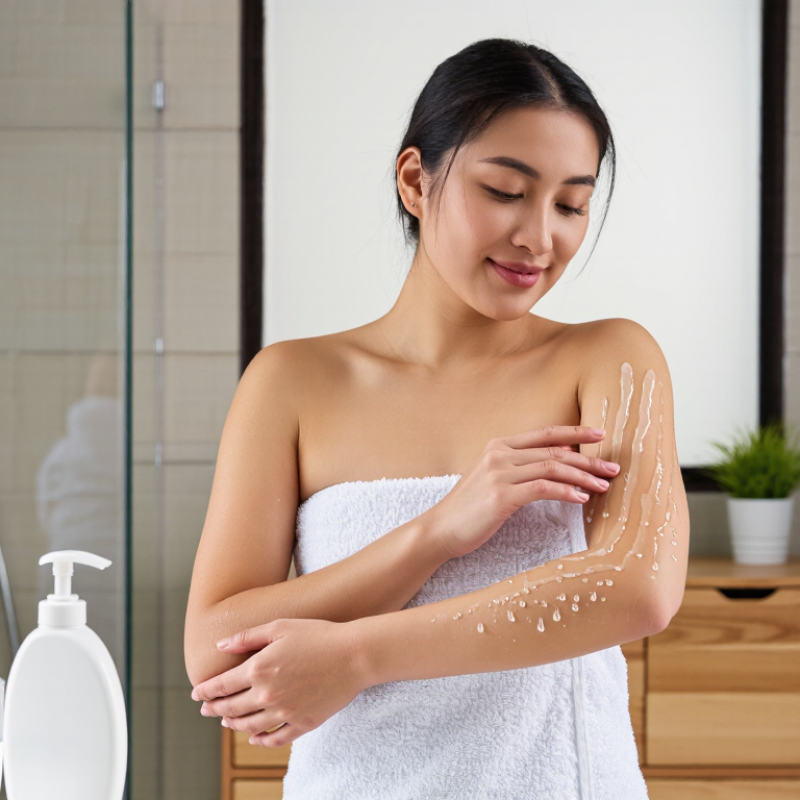
Small habits can also change results. Apply lotion to slightly damp skin after a short shower. Use a grape-sized amount per limb, then spread it in thin, even strokes. Wait briefly before dressing. Tight clothing can create friction and make a lotion feel slower.

Mintel’s recent skincare consumer research highlights continued interest in convenient, sensory-friendly products, while the American Academy of Dermatology recommends moisturizing after bathing to help retain water. These sources support a simple principle: texture and timing work together. Still, not every viral “absorption hack” is reliable. Personal testing matters, especially for sensitive skin, and fragrance-free options may be safer for reactive users. This guide examines proven formulation choices, application methods, and common mistakes.
How to Make Body Lotion Absorb Faster in 2026?

How Body Lotion Absorption Works

How to Make Body Lotion Absorb Faster in 2026?

How Body Lotion Absorption Works

Body lotion does not simply vanish into your skin. Its water phase spreads across the surface, while oils and humectants support the outer barrier. The outermost layer, called the stratum corneum, contains compact cells and natural lipids. It slows water loss and limits how quickly ingredients move inward. Absorption is therefore gradual, not instant.

In practice, clean, slightly damp skin usually accepts lotion more easily. Pat your body dry after bathing, then apply a thin layer within a few minutes. Warm skin can soften the surface briefly, but very hot water may increase dryness. Use gentle, circular strokes instead of rubbing aggressively. A heavy layer often feels slow because the skin cannot hold unlimited product.

Texture matters. A lighter emulsion may spread faster than a dense cream, especially on the arms and legs. Still, “fast absorption” can be misleading. A lotion may feel dry before its moisturizing ingredients finish supporting the barrier. That difference matters.

I used to apply too much lotion and blame the formula. My skin felt coated for ten minutes. Less product worked better, though not perfectly. Weather, humidity, body area, and skin condition all change the experience. If skin remains tight or irritated, faster absorption is not the main goal. Barrier comfort is. A small patch test can help reveal whether the texture suits your skin.

How to Make Body Lotion Absorb Faster in 2026: How Body Lotion Absorption Works

Lotion mainly interacts with the stratum corneum, the skin’s outermost barrier. Thinner areas generally feel less resistant to spreading, while thicker areas such as the palms and soles may need more time and massage. Apply lotion to slightly damp skin, use a thin even layer, and massage gently until the surface no longer feels wet.

Approximate stratum corneum thickness by body site, shown in micrometres (µm). Values represent approximate midpoints of ranges reported in dermatology literature and vary by person, age, hydration, and measurement method. A thicker barrier does not measure lotion absorption time directly, but it helps explain why some areas may feel slower to absorb.

Choose a Fast-Absorbing Lotion Formula

Choose a fast-absorbing lotion formula by studying its emulsion structure, not just its label claims. Water-rich, low-viscosity emulsions usually spread quickly across damp skin. Lightweight esters and fine silicone ingredients can reduce drag without creating a heavy film. Glycerin supports hydration, but excessive humectants may feel sticky in humid weather. That trade-off matters.

Grand View Research valued the global body lotion market at approximately USD 17 billion in 2023, with continued growth expected through 2030. This expansion reflects demand for convenient, sensory-friendly products. However, market growth does not prove that every “quick-absorbing” formula performs equally. In professional testing, compare rub-in time, residue after five minutes, and skin comfort after one hour. A lotion that disappears instantly may provide too little protection for dry skin.

Apply the product immediately after bathing, while water remains visible on the skin. Use a thin, even layer rather than a thick coating. I sometimes apply too much on my elbows, then blame the formula for feeling slow. That is not a fair test. Skin thickness, temperature, humidity, and hair coverage all change absorption. The European Commission’s CosIng database also reminds formulators that ingredient function and safety require evidence, not fashionable wording. A fast formula should feel light, but it still needs enough emollients to soften rough patches and enough film-formers to limit moisture loss. Test it on your own skin. Your perfect texture may not be someone else’s.

Prepare Your Skin Before Applying Lotion

How to Make Body Lotion Absorb Faster in 2026?

Prepare your skin before applying lotion. Start with a short, lukewarm shower. Hot water can increase dryness and weaken the skin barrier. The American Academy of Dermatology recommends moisturizing within three minutes after bathing. This timing helps trap surface water before it evaporates. Pat your skin gently, leaving it slightly damp. Do not rub until completely dry.

Clean skin also improves lotion distribution. Use a mild, fragrance-free cleanser on sweaty areas. Avoid harsh scrubbing, especially after shaving. The 2023 review in Contact Dermatitis reports that aggressive cleansing can increase irritation and transepidermal water loss. Exfoliation may smooth rough elbows, but once weekly is usually enough. More is not always better.

Apply a small amount in sections, such as one arm at a time. Warm the lotion between your palms first. Then press and spread it with slow, thin strokes. Thick layers often feel sticky because the skin cannot absorb every ingredient immediately. A 2024 consumer skincare analysis from Euromonitor International notes that lightweight, fast-absorbing textures remain a strong preference in body care. Still, personal results vary. My own mistake was applying lotion to completely dry skin and blaming the formula. Sometimes, preparation is the real problem. Wait two minutes before dressing. That small pause matters.

Apply the Right Amount with Effective Techniques

How to Make Body Lotion Absorb Faster in 2026?

Applying more lotion does not always improve hydration. Excess product can leave a sticky film on the skin. Start with a small coin-sized amount for each forearm, then adjust for dryness. Use slightly more on your legs, where skin often feels rougher. I used to spread lotion over completely dry skin, but it took much longer to settle.

Apply lotion within three minutes after bathing. Gently pat your skin, leaving it slightly damp. Warm the lotion between your palms for a few seconds. Press it onto the skin before using smooth, circular strokes. Avoid aggressive rubbing, which can create heat and irritation. Work in thin layers instead of applying one thick layer. Give each area about one minute before dressing.

Thin cotton clothing helps reduce transfer. Tight synthetic fabric may trap heat and make the lotion feel heavier. If your skin still feels greasy after five minutes, reduce the amount next time. If it feels tight, add a second light layer to dry areas. This adjustment takes patience. Skin texture, humidity, and lotion formulas all change absorption speed. Choose fragrance-free products when your skin is reactive, and test a small area before wider use. A little trial and error is normal.

Improve Absorption Through Timing and Layering

How to Make Body Lotion Absorb Faster in 2026?

Improve Absorption Through Timing and Layering

The best time to apply body lotion is within three minutes after bathing. Gently pat your skin, leaving it slightly damp. Water on the surface helps spread the lotion evenly. It can also reduce the need for a heavy layer. Avoid rubbing until your skin feels completely dry. That small delay often makes lotion feel less sticky.

Use thin layers instead of one thick application. Apply a lightweight hydrating product first, then seal it with body lotion. Wait about 30 seconds between layers. This pause prevents pilling and helps each layer settle. Focus on dry areas, such as elbows, knees, and shins. A coin-sized amount may cover one lower leg, but personal needs differ.

I used to apply too much lotion before dressing. My skin felt smooth, yet my clothes collected residue. Now I apply less, warm it between my palms, and press it into damp skin. Nighttime works well because there is less friction from clothing. After shaving, choose a fragrance-free formula and avoid vigorous rubbing. Sensitive skin may react even to gentle products. Patch testing is sensible. Persistent itching, cracking, or redness deserves advice from a qualified healthcare professional.

FAQS

What lotion texture usually absorbs quickly?

Water-rich, low-viscosity emulsions often spread quickly on damp skin. Lightweight esters and fine silicone ingredients can reduce drag. Texture still varies by skin type.

Should a fast-absorbing lotion leave no film?

Not necessarily. A slight protective film can soften rough areas and reduce moisture loss. Instant disappearance may mean insufficient protection for dry skin.

When should I apply body lotion after bathing?

Apply it within three minutes, while water remains visible on your skin. Pat gently instead of drying completely. Timing helps trap surface moisture.

How much lotion should I use?

Use a small amount on one section at a time. Spread a thin, even layer with slow strokes. Thick coatings often feel sticky.

Can hot water affect lotion absorption?

Yes. Hot water may increase dryness and weaken the skin barrier. Choose a short, lukewarm shower instead. Small changes help.

Does skin preparation really matter?

Clean, slightly damp skin usually helps lotion distribute more evenly. Use a mild cleanser on sweaty areas. Avoid aggressive scrubbing, especially after shaving.

How often should I exfoliate rough elbows?

Once weekly is usually enough for rough areas. More frequent exfoliation may increase irritation and moisture loss. More is not always better.

Why does lotion feel sticky in humid weather?

High amounts of humectants may attract water and create a tacky feeling. Glycerin supports hydration, but the formula needs balance. Humidity changes the experience.

How can I test whether a lotion absorbs quickly?

Compare rub-in time, residue after five minutes, and comfort after one hour. Test on your own skin under normal conditions. My earlier tests were unfair because I applied too much.

How long should I wait before dressing?

Wait about two minutes after application. This gives the thin layer time to settle. That pause matters.

Conclusion

Learning how to make body lotion absorb faster starts with understanding how the skin takes in moisture. Lightweight lotions with a water-based texture, humectants, and non-greasy emollients usually sink in more quickly than thick, heavily occlusive formulas. Before applying, cleanse the skin gently and pat it dry, leaving a small amount of moisture on the surface. This helps the lotion spread evenly and lock in hydration without creating a sticky finish.

Use a moderate amount and warm it between your palms before smoothing it over the body with gentle, upward strokes. Avoid applying too much at once, since excess product can remain on the surface. Timing also matters: applying lotion shortly after a shower can improve moisture retention, while allowing each skincare layer to settle before adding another helps prevent pilling. With the right formula, clean slightly damp skin, controlled application, and thoughtful layering, body lotion can absorb more quickly and leave the skin soft, comfortable, and hydrated.

Oliver

Oliver

Oliver is a seasoned marketing professional with a wealth of expertise in driving brand awareness and engagement. With a deep understanding of our company's product offerings, he consistently delivers high-quality content that enriches our professional blog. His insights not only shed light on......