Choosing the best body lotion for dry skin can be overwhelming. The skincare market offers countless options, complicating decisions. According to a report by the American Academy of Dermatology, over 40% of adults report having dry skin. This statistic highlights the need for effective solutions.
When it comes to understanding how to choose the best body lotion for dry skin, expert opinions are invaluable. Dr. Emily Stone, a renowned dermatologist, emphasizes, “The right lotion should soothe and hydrate without leaving a greasy residue.” Her insights guide consumers towards better choices. However, not every product lives up to its promises. Ingredients and formulations vary widely, and what works for one person may not work for another.
Many lotions contain occlusive agents like petrolatum, which lock in moisture. Yet, these can also feel heavy. Finding the perfect balance requires careful consideration. Users must evaluate their unique skin types and environmental factors. As dry skin conditions can fluctuate seasonally, routine reassessment is necessary. In this journey, being informed is crucial.
Understanding Dry Skin: Causes and Characteristics
Dry skin can be uncomfortable and frustrating. It may occur due to various factors, such as environmental conditions and genetic predispositions. Common characteristics include tightness, flakiness, and redness. Understanding these aspects can help you choose the best body lotion tailored to your needs.
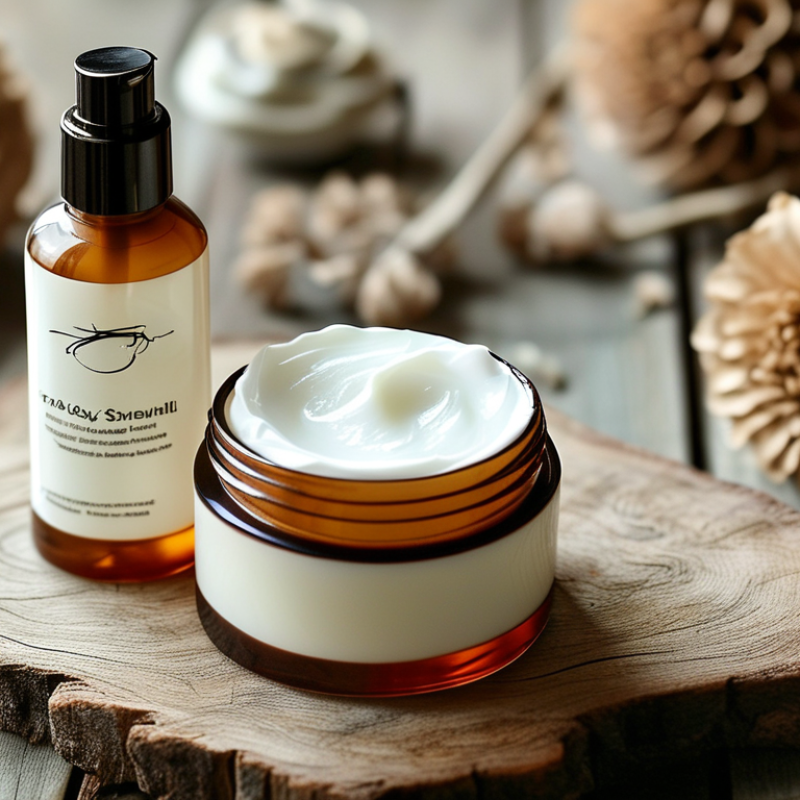
When selecting a body lotion, look for hydrating ingredients. Glycerin and hyaluronic acid are great choices. They attract moisture and keep your skin supple. Consider the texture too. A thicker cream might be ideal for extremely dry areas. Lightweight lotions can work for daily use.
Another tip: always patch-test new products. This ensures they don't irritate your skin. Observing how your skin responds can reveal much. Keep in mind that preferences change. What worked before may not work now. Therefore, stay attentive to your skin's evolving needs.
Key Ingredients to Look for in Body Lotions for Dry Skin
When selecting a body lotion for dry skin, focus on specific key ingredients. Look for emollients like shea butter and glycerin. These ingredients help to lock in moisture and soften rough skin. Oils, such as jojoba or almond oil, create a protective barrier. They keep the skin hydrated throughout the day.
Another critical component is hyaluronic acid. This ingredient can hold up to 1000 times its weight in water. Including this in your lotion choice ensures deep hydration. Additionally, consider lotions with ceramides. They strengthen the skin's natural barrier, preventing further moisture loss.
It’s also worth noting that not all ingredients suit everyone. Some may experience irritation from fragrances or certain alcohols. Always test a small patch before full application. Observe how your skin reacts over a few days. This approach will help you choose a lotion that truly meets your skin's needs. Prioritizing the right ingredients is key for achieving that soft, supple feel.
Evaluating the Texture: Creams vs. Lotions vs. Butters
When it comes to selecting a body lotion for dry skin, understanding the texture options is crucial. Creams, lotions, and butters each have unique properties that cater to different needs. Creams are thicker and often provide a heavier moisture barrier. They are ideal for stubbornly dry areas such as elbows and knees. Their rich consistency creates a soothing layer that locks in moisture longer.
Lotions are lighter and absorbed quickly. They contain a higher water content, making them suitable for everyday use. If your skin feels only mildly dry, a lotion may suffice. It spreads easily over larger areas, offering quick relief without a greasy finish. However, it may require frequent application in very dry climates.
Butters are the heaviest option and often contain oils and butters like shea or cocoa. They work wonders on extra-dry patches. However, their thickness can make them impractical for all-over use. Choosing between these options often involves personal preference. Consider how your skin reacts to different textures. You may even find that one product doesn’t meet all your needs, prompting a mix-and-match approach.
Reading Labels: How to Identify Quality Moisturizers
Choosing the right body lotion for dry skin can be a daunting task. Reading product labels is essential for identifying quality moisturizers. Look for key ingredients like hyaluronic acid, glycerin, and ceramides. These components are known for their hydrating properties. A 2021 study highlighted that lotions containing ceramides improved skin hydration by 30%. This shows their effectiveness in maintaining the skin barrier.
When you check labels, be wary of fragrances and alcohols. They can irritate sensitive skin. Research indicates that over 50% of individuals with dry skin experience adverse reactions to these additives. A tip is to seek products labeled “hypoallergenic” or “fragrance-free.” Also, consider the lotion's texture. Creams tend to provide more moisture than lotions, making them a better option for dry skin types.
Pay attention to the packaging, too. Dark glass or opaque containers protect ingredients from light exposure. Remember that not all products are created equal. Some may contain preservatives that can diminish effectiveness. Make informed choices by reading reviews and consulting dermatologists. They often offer helpful insights into which products deliver on their promises. Keep your skin's needs in mind, as not every product will create the desired effect for everyone.
Testing and Applying: Tips for Maximizing Lotion Effectiveness
When it comes to maximizing the effectiveness of body lotions for dry skin, proper testing and application techniques are crucial. According to a study published by the Journal of Dermatological Science, over 40% of users apply lotion incorrectly, limiting its benefits. Start by applying lotion on damp skin. This technique locks in moisture, enhancing absorption. The optimal time is right after showering, when the skin is still slightly wet.
Consider using the "pat and seal" method. Instead of rubbing vigorously, gently pat the lotion onto your skin. This technique minimizes irritation and ensures a more even application. Research indicates that this method can increase moisture retention by up to 25% compared to standard application methods. Additionally, don’t forget about less obvious areas like elbows and knees. These spots often require extra attention due to thicker skin that tends to dry out faster.
Pay attention to the ingredients in your lotion. Look for those containing hyaluronic acid, glycerin, or ceramides. These have been shown to improve skin hydration significantly. A survey by the American Academy of Dermatology highlights that nearly 30% of individuals with dry skin do not check ingredients before purchasing. Taking the time to understand what you are applying can greatly influence the results and improve your skin condition.
Top 10 Tips for Choosing the Best Body Lotion for Dry Skin
| Tip Number |
Tip |
Key Ingredient |
Application Method |
| 1 |
Look for humectants |
Glycerin |
Apply to damp skin |
| 2 |
Choose occlusive agents |
Petrolatum |
Apply after bathing |
| 3 |
Avoid alcohol-based lotions |
N/A |
N/A |
| 4 |
Test for skin compatibility |
N/A |
Patch Test |
| 5 |
Prioritize creams over lotions |
N/A |
N/A |
| 6 |
Look for shea butter or cocoa butter |
Shea Butter |
Apply generously |
| 7 |
Choose fragrance-free options |
N/A |
N/A |
| 8 |
Opt for lotions with antioxidants |
Vitamin E |
Apply post-cleansing |
| 9 |
Consider seasonal changes |
N/A |
Adjust products accordingly |
| 10 |
Stay consistent with application |
N/A |
Daily use recommended |
FAQS
: Creams are thick and provide a strong moisture barrier. Lotions are lighter and absorb quickly. Butters are the heaviest option, suited for very dry patches.
Read labels carefully. Look for ingredients like hyaluronic acid, glycerin, and ceramides. These enhance hydration effectively.
Not every product works for everyone. Sometimes, one lotion style may not meet all your skin needs. Mixing options can be helpful.
Be cautious of fragrances and alcohols. These can irritate sensitive skin and worsen dryness for some individuals.
Apply lotion on damp skin, especially after a shower. This technique locks in moisture and enhances absorption.
Rather than rubbing lotion, gently pat it onto your skin. This method reduces irritation and improves moisture retention.
Yes, opt for dark glass or opaque containers. They protect ingredients from light exposure, maintaining product effectiveness.
Many people overlook ingredients. Understanding them can enhance results. Knowledge about what you apply greatly influences skin condition.
Conclusion
Choosing the best body lotion for dry skin requires an understanding of the causes and characteristics of dry skin, which can be attributed to factors such as weather, age, and skin conditions. When selecting a lotion, it's essential to look for key ingredients like hyaluronic acid, glycerin, and natural oils that provide deep hydration. Evaluating the texture is also important; thicker creams or butters may be more effective for extremely dry skin compared to lighter lotions.
Moreover, reading labels is crucial in identifying quality moisturizers and ensuring they are free from irritating additives. To maximize the effectiveness of your lotion, testing different formulations on your skin and applying them when your skin is slightly damp can enhance absorption. By following these tips, you can effectively learn how to choose the best body lotion for dry skin, ensuring your skin remains hydrated and healthy.

 Bahre Beauty