Top 10 Body Lotions That Can Improve Skin Texture

Time:2026-11-07 Author:Ethan
0%

Can body body lotion improve skin texture? Often, yes—but the result depends on the formula, the skin concern, and consistent use. Humectants such as glycerin draw water into the outer skin, while emollients help soften rough patches. Ingredients like urea or lactic acid may smooth flaky, uneven areas. A lotion is not a quick filter. Give it time.

Grand View Research estimated the global body-lotion market at about $18.2 billion in 2023 and projected a 5.7% compound annual growth rate from 2024 to 2030. That figure reflects market activity, not proof that every lotion changes texture. The American Academy of Dermatology recommends applying moisturizer to damp skin after bathing to help retain moisture. Dermatologist Dr. Joshua Zeichner’s published guidance emphasizes that moisturizers can support the skin barrier and reduce water loss. That’s useful context, not a promise of dramatic results.

This guide compares ten body lotions by texture-focused ingredients, feel, and practical use. Think of the smoothness of dry elbows after a shower, or the fine roughness along the upper arms. Some formulas may help. Some may feel sticky, sting, or do very little for your skin. Results vary. A fragrance-free option can be a sensible starting point for sensitive skin, and a small patch test can reveal irritation before wider use. These picks are not medical treatment, and the “best” lotion may take a little trial and reflection.
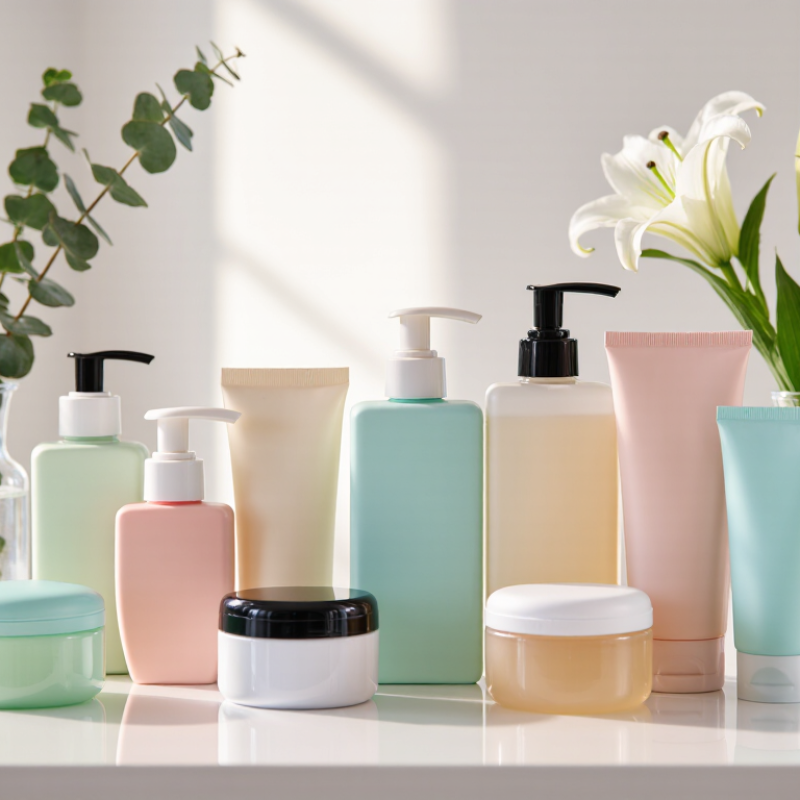
Top 10 Body Lotions That Can Improve Skin Texture

What Skin Texture Means and How Body Lotions Can Improve It

Skin texture describes how smooth, even, or soft skin feels and looks. Dryness can make arms look flaky, while rough bumps often appear on upper arms or thighs. These changes have different causes, so one lotion may not suit every concern. Moisturizers can soften the outer skin layer by attracting water, reducing water loss, or filling tiny spaces between dry surface cells. Ingredients such as glycerin, petrolatum, and urea serve different roles. Urea may also loosen rough, built-up skin when used at an appropriate concentration. Results are usually gradual, not dramatic. Lotion cannot erase scars or permanently change skin structure.

The American Academy of Dermatology Association recommends applying moisturizer within five minutes of bathing, while skin is still damp. This practical timing helps trap water at the surface. For rough patches, consistent use matters more than applying a thick layer once. Fragrance can irritate sensitive skin, and exfoliating ingredients may sting cracked areas. Texture is not always easy to judge. Lighting, weather, and shaving can change what you notice from day to day.

Tips: Pat skin dry, then smooth on lotion before it fully dries. Test a new product on a small area first. If burning or persistent redness develops, stop using it and seek medical advice. A simple routine may help, but it can take a few weeks to see a difference.

Ingredients That Help Hydrate and Smooth the Skin

A well-formulated body lotion can soften rough patches by supporting the skin barrier, not merely adding a temporary sheen. Glycerin and hyaluronic acid are humectants: they attract water to the outer skin layer. Ceramides help replenish barrier lipids, while emollients such as squalane smooth flaky areas. Petrolatum and dimethicone reduce water loss by forming a protective film. Different jobs, one routine.

A 2011 population-based study in the Journal of the European Academy of Dermatology and Venereology found dry skin in 29.4% of participants. Very dry skin affected 6.3%. These figures underline why hydration matters, though a lotion cannot correct every cause of roughness. The American Academy of Dermatology advises applying moisturizer while skin is still damp after bathing. Timing matters. Pat dry, then smooth lotion over arms and legs, especially shins and elbows.

For texture, choose a lotion with humectants plus barrier-supporting ingredients, and assess the feel after several days of regular use. A simple test: does skin feel less tight after a shower? Fragrance can bother sensitive skin, and richer formulas may feel sticky in warm weather. Ingredient lists are helpful, but they are not guarantees; personal response varies. Some trial and error is normal.

How to Choose a Lotion for Your Skin Type and Concerns

Choose a lotion by the problem you can feel, not by a “glow” claim. Tightness after showering often signals dryness. Rough upper arms may respond to lotions containing urea or lactic acid, while easily irritated skin may do better with a fragrance-free, simpler formula. For oily or acne-prone skin, try a lightweight, non-comedogenic lotion. Test it on a small patch for several days. Sensitive skin? Keep it simple.

For very dry skin, a cream may hold moisture better than a thin lotion; for daytime use, lighter textures can feel more comfortable under clothing. The American Academy of Dermatology recommends fragrance-free moisturizers for dry, sensitive skin. A 2017 Cochrane review examined 77 studies involving 6,603 people with eczema. It found moisturizers may reduce eczema severity and flares, though results varied across products. That evidence concerns eczema, not every cosmetic claim about smoother texture. One limitation is easy to miss: even a well-chosen lotion can sting if the skin barrier is already irritated. Stop using it if burning or redness persists.

Top 10 Body Lotions That Can Improve Skin Texture

Body skin can feel rough because of dryness, friction, or naturally uneven areas such as elbows and knees. The right lotion can soften the surface, but results depend on the cause and regular use. Small changes matter.

Consider ten useful lotion types: ceramide-rich formulas support the skin barrier; urea lotions soften thick, dry patches; lactic acid lotions gently smooth flaky skin; glycerin lotions draw in moisture; colloidal oatmeal formulas can soothe dryness; niacinamide lotions support the barrier; shea butter lotions help reduce moisture loss; hyaluronic acid lotions hydrate; salicylic acid lotions may smooth clogged, bumpy areas; and fragrance-free, petrolatum-based moisturizers help seal in water. Ingredients vary in strength, so check the label rather than relying on a product’s claims.

Use exfoliating lotions sparingly at first, especially on sensitive skin. A sting is not proof that a lotion is working. Apply moisturizer after bathing, while skin is slightly damp, and give it several weeks before judging texture. I would not expect one lotion to fix every rough patch; that expectation is easy to have, and often wrong. Patch-test new products, and ask a qualified clinician about persistent irritation or painful skin.

Top 10 Body Lotions That Can Improve Skin Texture
No. Lotion Type or Key Ingredient Texture Concerns How It May Help Use Notes
1 Urea lotion Rough, dry or flaky skin Urea attracts water; at higher concentrations, it can also help soften thickened, rough skin. Lower-strength formulas are generally used for dryness. It may sting on cracked or irritated skin.
2 Lactic acid lotion Roughness and dry, scaly patches Lactic acid is an alpha hydroxy acid (AHA) that can help loosen dead surface cells; it also acts as a humectant. Introduce gradually and follow the label. AHA use can increase sensitivity to sunlight.
3 Glycolic acid lotion Uneven, rough-feeling surface skin This AHA exfoliates the skin’s surface and may help improve the feel and appearance of uneven texture over time. Start with occasional use; avoid applying to freshly shaved, broken or irritated skin.
4 Salicylic acid lotion Bumpy or clogged-feeling areas Salicylic acid is oil-soluble and can help exfoliate within pores, which may be useful for some forms of body bumps. Use only as directed, especially over large areas. Stop if significant irritation develops.
5 Niacinamide lotion Dryness, uneven-looking tone and a weakened skin barrier Niacinamide can support the skin barrier and may help improve the appearance of uneven tone. Formulas vary; patch-test first if your skin is sensitive.
6 Ceramide lotion Dry, tight or rough skin Ceramides are lipids found in the skin barrier; moisturizers containing them can help support barrier function and reduce water loss. Often suitable for daily use; apply after bathing while skin is still slightly damp.
7 Glycerin-rich lotion Dehydrated, tight or dull-feeling skin Glycerin is a humectant that draws water into the outer layer of skin, helping it feel softer and more supple. Works well as a daily moisturizer, particularly when applied to damp skin.
8 Petrolatum-based lotion or cream Very dry, flaky or moisture-depleted skin Petrolatum forms an occlusive layer that slows water loss and helps protect dry skin. Richer formulas may feel heavier; a thin layer is often enough.
9 Colloidal oatmeal lotion Dry, itchy or easily irritated skin Colloidal oatmeal helps soothe and protect dry, irritated skin while supporting moisture retention. A fragrance-free formula may be preferable for sensitive skin. Avoid if you have a known oat allergy.
10 Dimethicone-containing lotion Dry, rough-feeling skin that needs a protective layer Dimethicone acts as a skin protectant and helps reduce moisture loss, leaving skin feeling smoother. Can be used as part of a daily moisturizing routine; check the ingredient list and product directions.

Individual results vary. Patch-test new products, follow label directions, and consult a dermatologist for persistent irritation or skin concerns.

How to Apply Body Lotion for Consistent Results

Apply body lotion when your skin is slightly damp, such as just after a shower. Pat dry with a towel, leaving a little moisture on your arms and legs. This helps the lotion spread evenly and reduces the temptation to use too much. Smooth it over one section at a time, using gentle, steady strokes. Pay extra attention to rough areas like elbows, knees, and heels. Consistency matters more than a thick layer. Small amounts work.

Tips: Keep the bottle where you get dressed, so applying lotion becomes part of your routine. If a product contains exfoliating ingredients or fragrance, test it on a small area first. Stop using it if you notice persistent stinging, redness, or itching.

Skin texture rarely changes overnight. Apply lotion regularly for several weeks, then notice whether dryness or roughness has eased. I sometimes rush through this step, and the missed patches show up later. That is a useful reminder to check shins and the backs of arms, not just visible areas. Avoid vigorous rubbing, especially on irritated skin, and choose a simpler, fragrance-free formula if your skin is easily bothered. If a rash or discomfort continues, ask a healthcare professional for advice.

Top 10 Body Lotions That Can Improve Skin Texture — How to Apply Body Lotion for Consistent Results

Recommended Post-Bath Application Window

For a consistent routine, apply moisturizer within five minutes after bathing, while skin is still slightly damp. This is an application-timing guideline, not a product ranking or a guaranteed result.

Guidance: American Academy of Dermatology Association.

FAQS

What does skin texture mean?

It describes how smooth, soft, or even your skin looks and feels. Dry arms may look flaky, while rough bumps can appear on upper arms or thighs.

Can body lotion improve rough or dry skin?

Moisturizer can soften the outer skin layer by attracting water or slowing water loss. Changes are usually gradual. Lotion cannot erase scars or permanently change skin structure.

Which ingredients may help with rough patches?

Urea or lactic acid may help soften rough areas. Urea can also loosen built-up surface skin at an appropriate concentration. Sensitive skin may react, so test first.

When should I apply body lotion?

Apply it after bathing, while your skin is still slightly damp. Pat dry with a towel, then smooth lotion over your arms and legs. Small amounts work.

How can I choose lotion for sensitive skin?

A simple, fragrance-free formula may be a gentler choice. Test a small patch for several days. Keep it simple.

What kind of moisturizer suits very dry skin?

A cream may hold moisture better than a thin lotion. A lighter texture can feel more comfortable under clothing during the day.

How often should I apply lotion to see a difference?

Use it regularly for several weeks and notice whether dryness or roughness eases. Consistency matters more than one thick application. Give it time.

What should I do if lotion causes stinging or redness?

Stop using it if burning, redness, or itching persists. Avoid rubbing irritated skin, and seek medical advice if discomfort continues. I sometimes miss my shins, and notice the dry patches later.

Conclusion

Skin texture can feel rough, dry, flaky, or uneven, often because the skin’s moisture barrier needs support. So, can body lotion improve skin texture? With regular use, a suitable lotion can hydrate and soften the skin, helping it feel smoother over time. Ingredients such as glycerin and hyaluronic acid attract moisture, while ceramides help support the skin barrier. Gentle exfoliating ingredients may help loosen dead skin cells, but sensitive skin may do better with a fragrance-free, simple formula.

The best choice depends on your skin type and concerns: lightweight lotions can suit normal or oily skin, while richer creams may be more comfortable for very dry areas. A top-ten guide can compare options by texture, moisturizing ingredients, and suitability for different needs, without assuming one formula works for everyone. Apply lotion to clean, slightly damp skin, use it consistently, and follow product directions. Patch testing a new formula can help you check how your skin responds.

Ethan

Ethan

Ethan is a seasoned marketing professional with a deep expertise in our company's innovative product line. With a passion for sharing knowledge and insights, he takes the lead in regularly updating our corporate blog, where he explores industry trends, product features, and effective marketing......