Explore our highly requested nourishing formulations, engineered for international distribution and customizable branding.
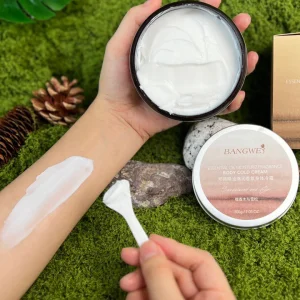
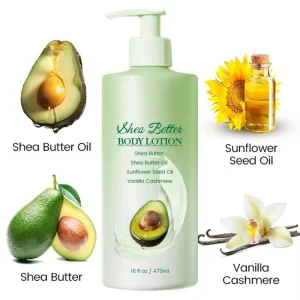
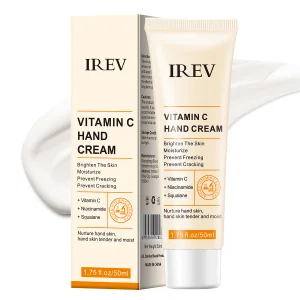
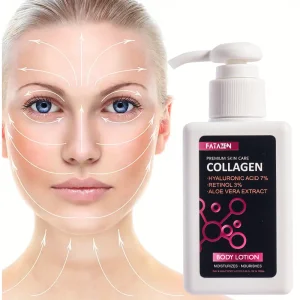
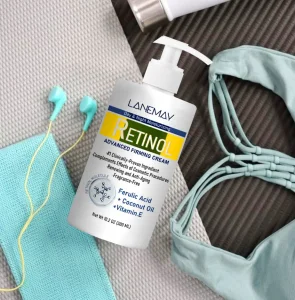
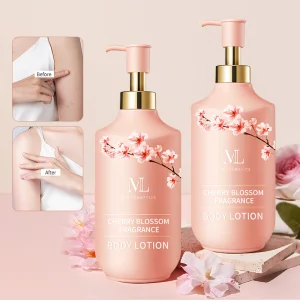
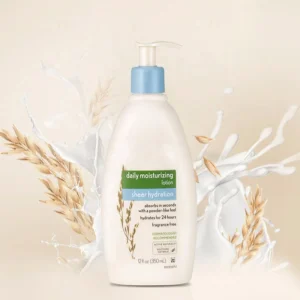
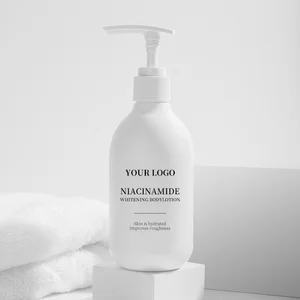
The global skincare industry is undergoing a structural paradigm shift. No longer confined to basic cosmetic hydration, modern nourishing creams and body lotions function as critical skin barrier protection therapies. In 2024, the global moisturizing and nourishing cream market value exceeded USD 10.5 billion, projected to maintain a Compound Annual Growth Rate (CAGR) of 6.2% through 2031. This commercial surge is driven by heightened consumer awareness regarding trans-epidermal water loss (TEWL), microbiome preservation, and active dermatological ingredients.
From a manufacturing standpoint, B2B procurement professionals must analyze the geographical stratification of formulation hubs. Eastern Asia (specifically Southern China's industrial zones in Guangdong) has established dominant supply chain networks characterized by raw material proximity, advanced high-shear emulsification machinery, and flexible OEM/ODM capabilities. Concurrently, European and North American facilities specialize in niche organic compliant formulas (COSMOS/Ecocert) and clinical-grade dermatological lines.
SEO Insight & Information Gain: Sourcing managers must evaluate potential partners not just on cost-per-unit, but on their integration of biotechnology, green-chemistry ingredient pathways, and regulatory readiness (GMP ISO 22716 / FDA OTC compliance).
By leveraging advanced logistics, high-throughput automated filling systems, and localized raw material supply networks, premier manufacturers like Dongguan Bahre Beauty Co., Ltd. bridge the gap between complex formulation engineering and cost-competitive global distribution.
ISO 22716 Certified
Cleanroom Standards
Custom Formulations
Global Export Markets
Dongguan Bahre Beauty Co., Ltd. is a professional manufacturer specializing in body lotion, private label skincare, and OEM/ODM body care solutions in China. With years of experience in cosmetic formulation and manufacturing, we are committed to developing safe, effective, and innovative skincare products for beauty brands, wholesalers, distributors, retailers, and e-commerce businesses around the world.
Our product portfolio includes moisturizing body lotions, hydrating body lotions, whitening body lotions, firming body lotions, anti-aging body lotions, body creams, body butters, body oils, body scrubs, hand creams, foot creams, shower gels, body washes, and other personal care products. We also provide customized formulations enriched with ingredients such as hyaluronic acid, collagen, niacinamide, vitamin C, shea butter, aloe vera, ceramides, and botanical extracts to meet diverse market demands.
We operate advanced GMP-compliant manufacturing facilities equipped with modern automated production lines and strict quality control systems. From raw material sourcing and formulation development to filling, packaging, and final inspection, every production process follows international quality standards to ensure product safety, consistency, and performance.
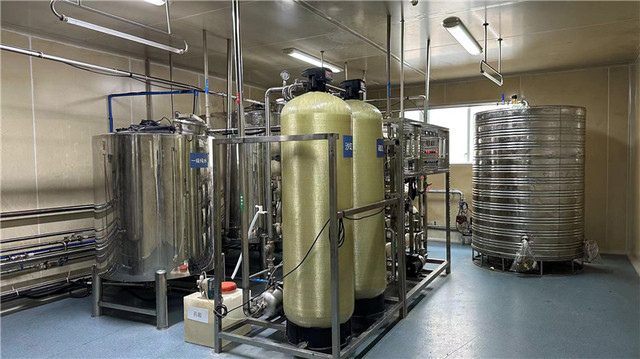
The technological convergence of biotechnology, sustainable processing, and high-performance delivery systems.
Utilization of vacuum high-shear homogenizers to achieve sub-micron droplet sizes (0.1–0.5 μm). This micro-emulsion technology significantly enhances stability, skin penetration speed, and the sensory profile of nourishing creams without relying on heavy synthetic emulsifiers.
Integration of biotechnology-derived actives, including bio-fermented hyaluronic acid, multi-molecular weight ceramides, plant stem cells, and stabilized niacinamide. These compounds target cellular repair, dark spot reduction, and skin barrier replenishment at a molecular level.
Formulating specifically to match clean, eco-friendly primary packaging, such as PCR (Post-Consumer Recycled) plastics, sugarcane tubes, and refillable glass. Stabilizing formulations against UV oxidation and chemical leaching in green packaging formats is essential.
Developing high-performance body lotions and nourishing creams requires a multi-phase technical roadmap. Understanding these stages allows brand owners to properly negotiate formulation alterations, cost structures, and development lead times with OEM partners.
Modern creams comprise an oil phase (lipids, plant oils, waxes, lipid-soluble vitamins) and an aqueous phase (water, polyols, water-soluble botanicals). High-end OEM facilities utilize vacuum systems to eliminate air incorporation, preventing oxidative degradation of active botanical extracts such as rose oil, almond oil, and raw shea butter.
This is the core thermodynamic process. The raw materials are heated to 75-80°C and processed through an inline or batch homogenizer. By applying intense mechanical shear, the internal phase is broken down into micro-droplets. Poor emulsification leads to phase separation (creaming or coalescence) over shelf life—a major risk for private label brands distributing across varying global climates.
Thermolabile actives (such as Vitamin C derivatives, proteins, collagen, and delicate lavender essential oils) must be introduced at lower temperatures (usually 40°C or below) to maintain their biochemical integrity and performance properties. Advanced automated temperature regulation ensures precise integration of these high-value components.
Successful brand scaling relies heavily on regional formulation tailoring. A single formula will not succeed in all territories due to diverse climate conditions, consumer skin types, and cultural preferences. A professional OEM/ODM manufacturer must offer flexible formulation variations:
A visual tour of Bahre Beauty's GMPC-compliant manufacturing floors, R&D labs, and high-capacity packaging lines.
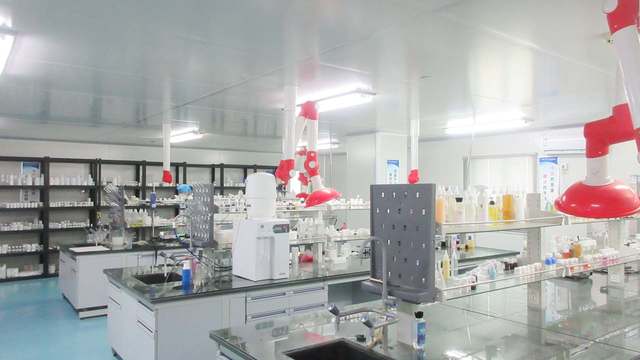
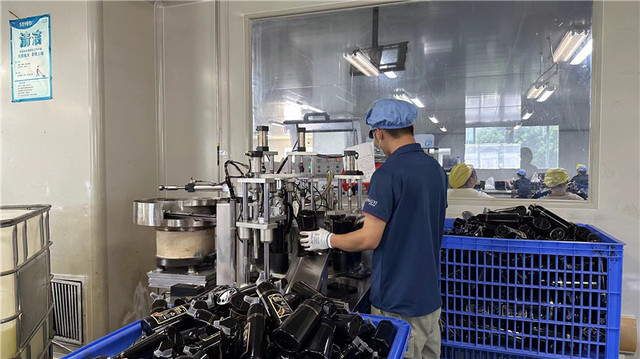
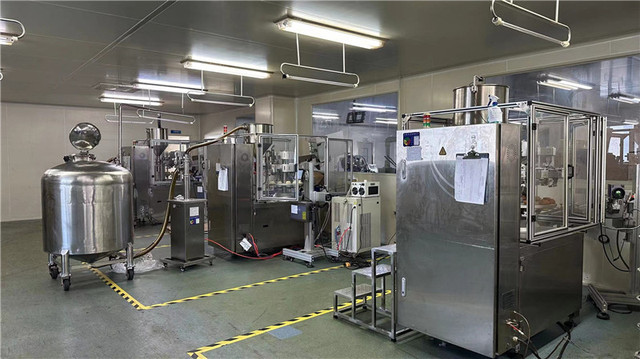
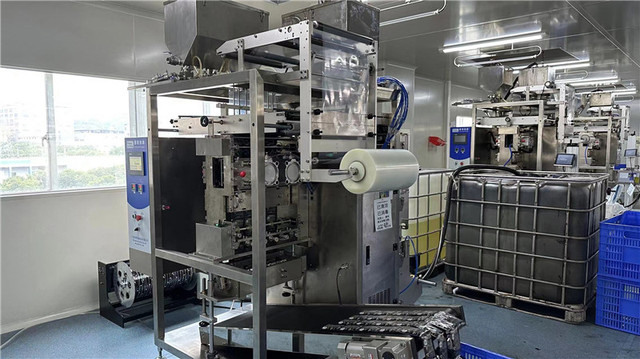
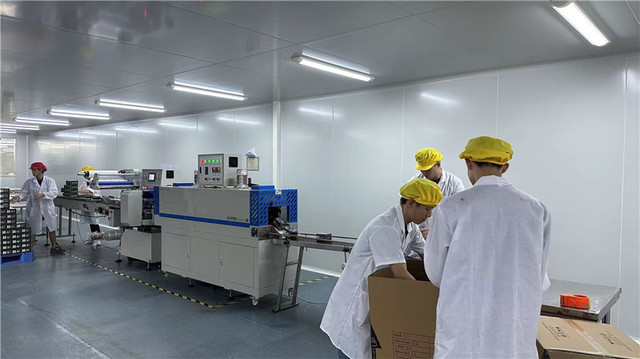
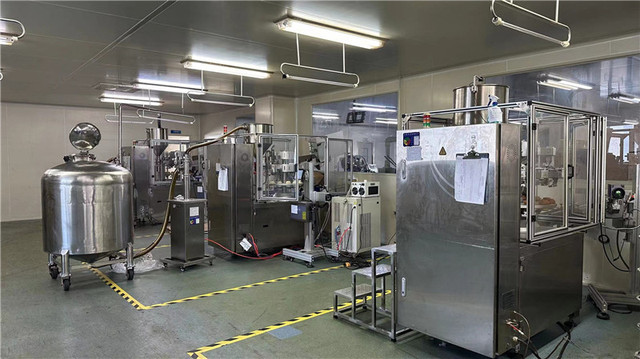
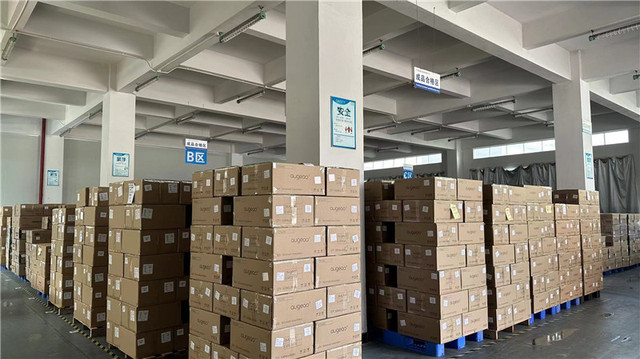
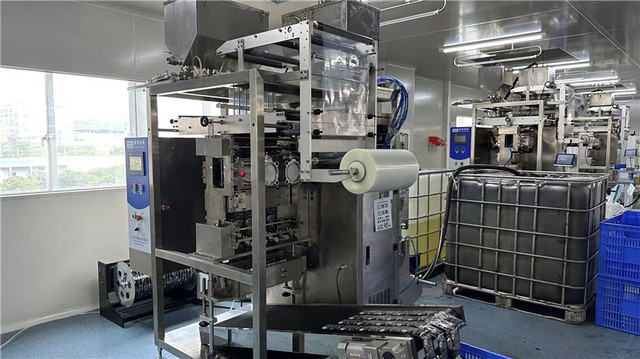
For B2B buyers, global supply chain operations demand rigorous attention to international compliance. The regulatory framework governing skincare formulations is highly complex and strictly monitored by cosmetic authorities worldwide. Sourcing partners must guarantee the following protocols:
These international standards regulate cleanrooms, air filtration systems, water purification (reverse osmosis and deionization), and detailed batch recording. Compliance ensures every batch of body lotion or face cream is free of microbial contamination and meets heavy metal limit standards.
Whether exporting to the European Union (CPNP registration), North America (FDA MoCRA compliance), or Southeast Asia, brands must verify that formulations contain safe, authorized preservatives and colorants. A premium manufacturer provides comprehensive technical documents, including Certificate of Analysis (COA), Safety Data Sheets (SDS/MSDS), and stability study reports.
To mitigate international shipping costs and delays, top-tier factories offer end-to-end supply chain integration. This includes direct sourcing of custom packaging (bottles, pumps, boxes), label printing, cargo consolidation, and customs clearance support for key global markets including Europe, North America, South America, the Middle East, and Oceania.
Key industrial and commercial insights for B2B skincare procurement managers.
Standard MOQs typically range from 3,000 to 10,000 units per formulation. The exact quantity depends on packaging requirements, formula complexity, and active ingredient sourcing. Customized private label formulations with specialized botanical extracts may require higher initial MOQs to offset manufacturing run setups.
Yes, our R&D lab specializes in reverse engineering and formulation optimization. Customers can send reference samples, and our cosmetic chemists will analyze the rheology, sensory profile, emulsification type, and active ingredient percentages to replicate or enhance the target product.
We operate advanced GMPC and ISO 22716 compliant cleanroom facilities. Our quality control protocol includes raw material inspections, in-line batch testing (pH, viscosity, microbial limits), stability testing across multiple temperatures, compatibility testing with packaging, and pre-shipment final product assessments.
Extreme temperatures during shipping and storage can disrupt emulsions. Professional factories perform freeze-thaw cycle testing, centrifuge testing, and high-temperature oven stability testing (typically at 45°C for 3 months) to ensure the emulsion does not separate, discolor, or lose active potency in target regional climates.
Yes, we provide full technical documentation support, including detailed MSDS, COA, ingredient INCI lists, stability reports, and challenge test data. This documentation is essential for brands registering products with regulatory bodies such as the US FDA (MoCRA) or European CPNP portals.
Broaden your brand offerings with specialized, high-performance skincare solutions.
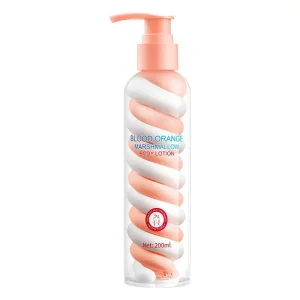
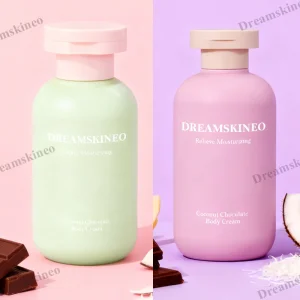
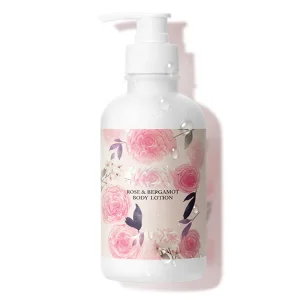
 Bahre Beauty